Hawksbill Sea Turtle
Critically Endangered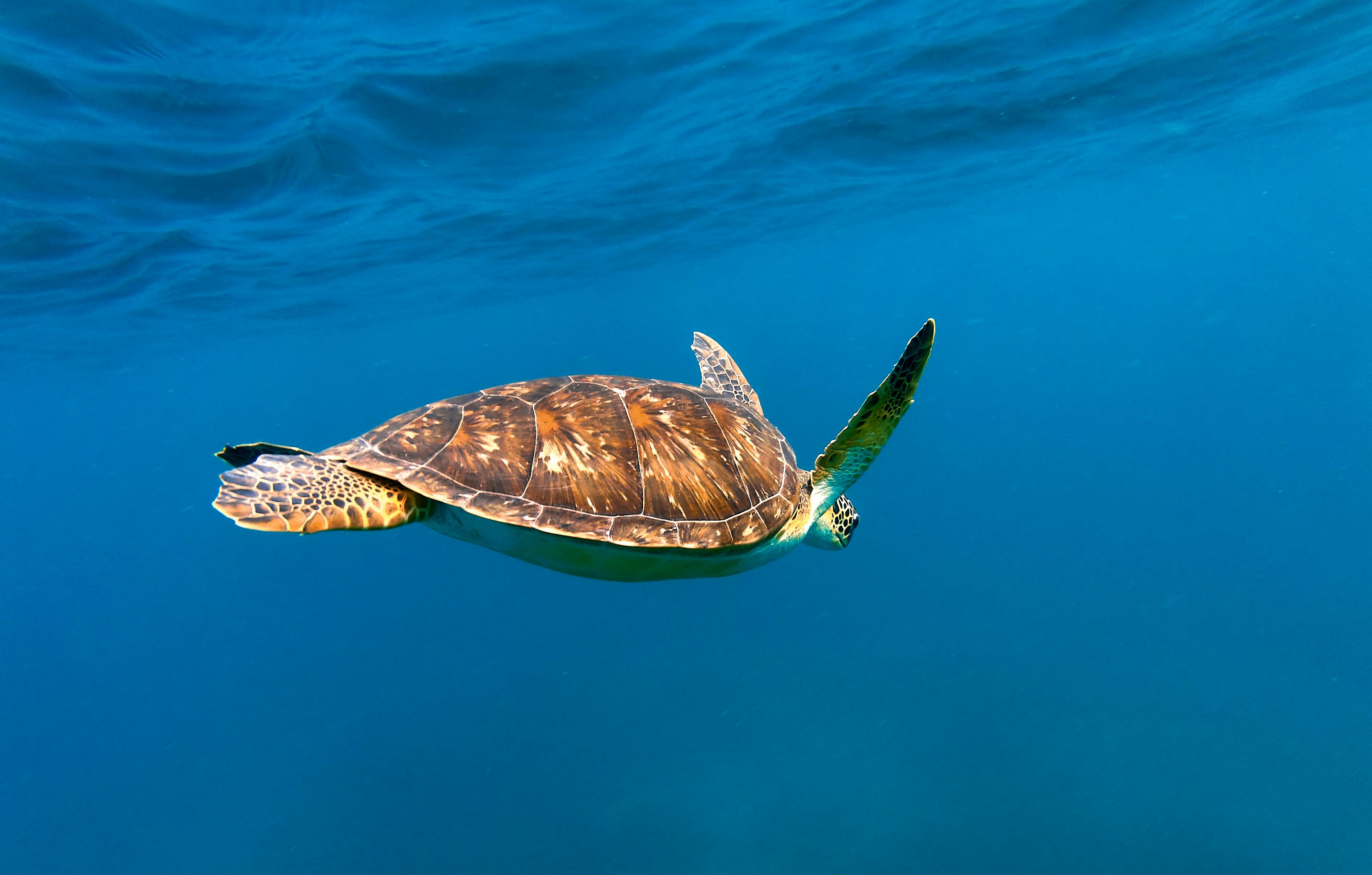
About the Hawksbill Sea Turtle
The Hawksbill Sea Turtle is a critically endangered marine reptile known for its beautiful, tortoiseshell-patterned shell. Found in tropical oceans worldwide, these turtles play a vital role in maintaining the health of coral reefs. However, they face severe threats from habitat destruction, pollution, and illegal trade.
Scientific Classification
- Kingdom: Animalia
- Phylum: Chordata
- Class: Reptilia
- Order: Testudines
- Family: Cheloniidae
- Genus: Eretmochelys
- Species: Eretmochelys imbricata
Habitat and Distribution
Hawksbill Sea Turtles are found in tropical and subtropical oceans, particularly in coral reefs, mangroves, and shallow coastal areas. They are widely distributed across the Atlantic, Pacific, and Indian Oceans.
Threats to Survival
- Habitat Loss: Destruction of coral reefs and nesting beaches due to climate change and coastal development.
- Illegal Trade: Hawksbill shells are highly valued for jewelry and ornaments, leading to poaching.
- Pollution: Plastic waste and oil spills harm turtles and their habitats.
Conservation Efforts
Several organizations are working to protect the Hawksbill Sea Turtle, including:
- Protection of nesting beaches and coral reefs.
- Anti-poaching laws and enforcement.
- Public awareness campaigns to reduce plastic pollution.
Fun Facts
- Hawksbill Sea Turtles can live up to 50 years in the wild.
- They are named for their narrow, pointed beak, which resembles a hawk's bill.
- These turtles help maintain healthy coral reefs by feeding on sponges that compete with corals.
Population Status
Estimated Population: Less than 250 nesting females
Learn More About Endangered Species
Join us in protecting the Hawksbill Sea Turtle and other endangered species. Every action counts!
Learn More