Black Rhino
Vulnerable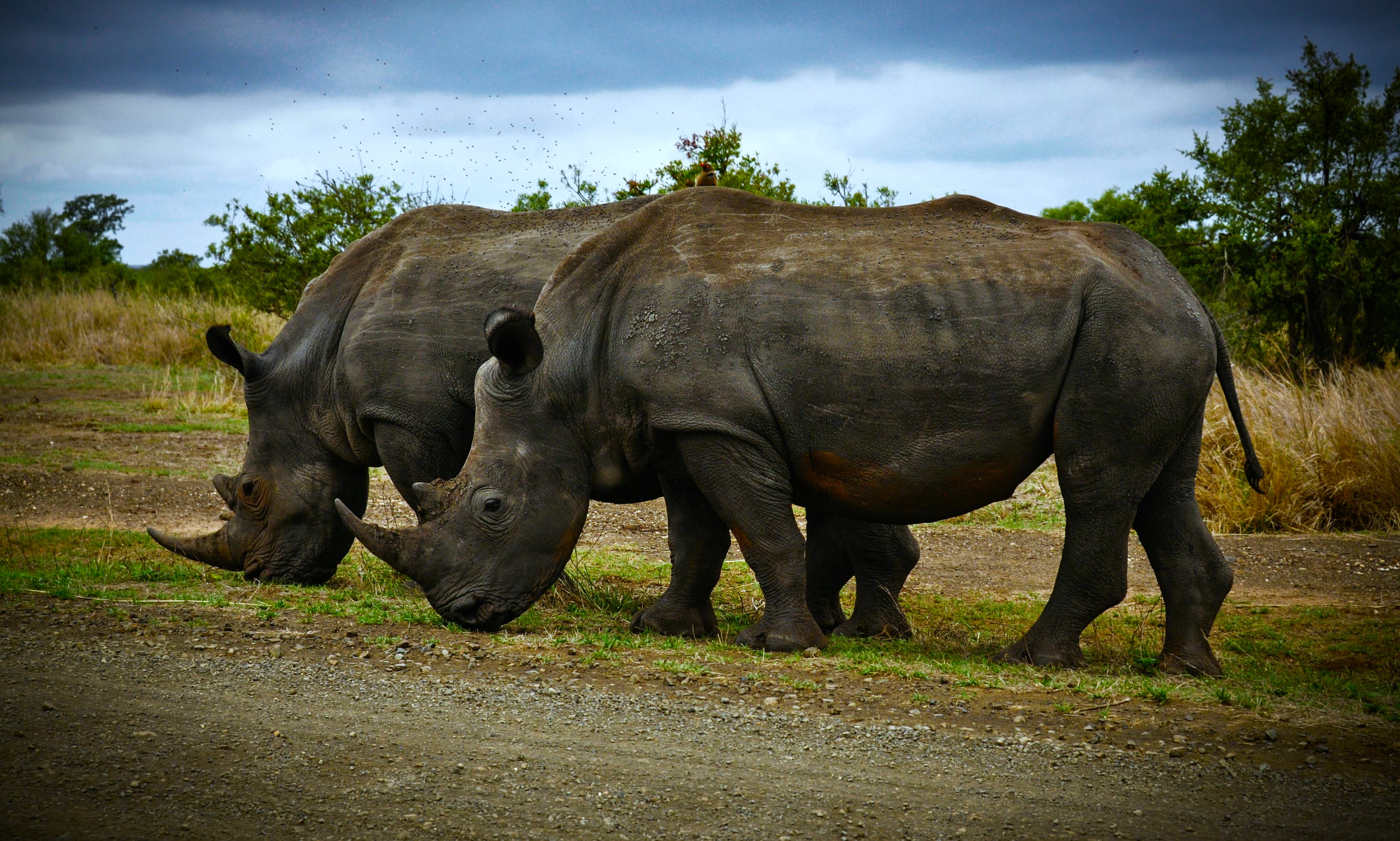
About the Black Rhino
The Black Rhino, also known as the Hook-lipped Rhinoceros, is one of the most iconic and endangered species in Africa. Known for its distinctive hooked lip and solitary nature, this species is critically endangered due to poaching and habitat loss.
Scientific Classification
- Kingdom: Animalia
- Phylum: Chordata
- Class: Mammalia
- Order: Perissodactyla
- Family: Rhinocerotidae
- Genus: Diceros
- Species: Diceros bicornis
Habitat and Distribution
Black Rhinos are primarily found in the savannas, grasslands, and dense forests of eastern and southern Africa. They prefer areas with abundant vegetation and water sources, but their habitat is shrinking due to human activities.
Threats to Survival
- Poaching: Black Rhinos are hunted for their horns, which are highly valued in illegal wildlife trade.
- Habitat Loss: Agriculture, logging, and urban development are destroying their natural habitats.
- Climate Change: Changes in weather patterns affect their food and water sources.
Conservation Efforts
Several organizations are working to protect the Black Rhino, including:
- Anti-poaching patrols and wildlife protection units.
- Habitat restoration and protected areas.
- Community education programs to reduce demand for rhino horns.
Fun Facts
- Black Rhinos can weigh up to 1,400 kg (3,100 lbs).
- They have two horns made of keratin, the same material as human hair and nails.
- Despite their name, Black Rhinos are not black – they are gray or brown in color.
Learn More About Endangered Species
Join us in protecting the Black Rhino and other endangered species. Every action counts!
Learn More