Philippine Eagle
Critically Endangered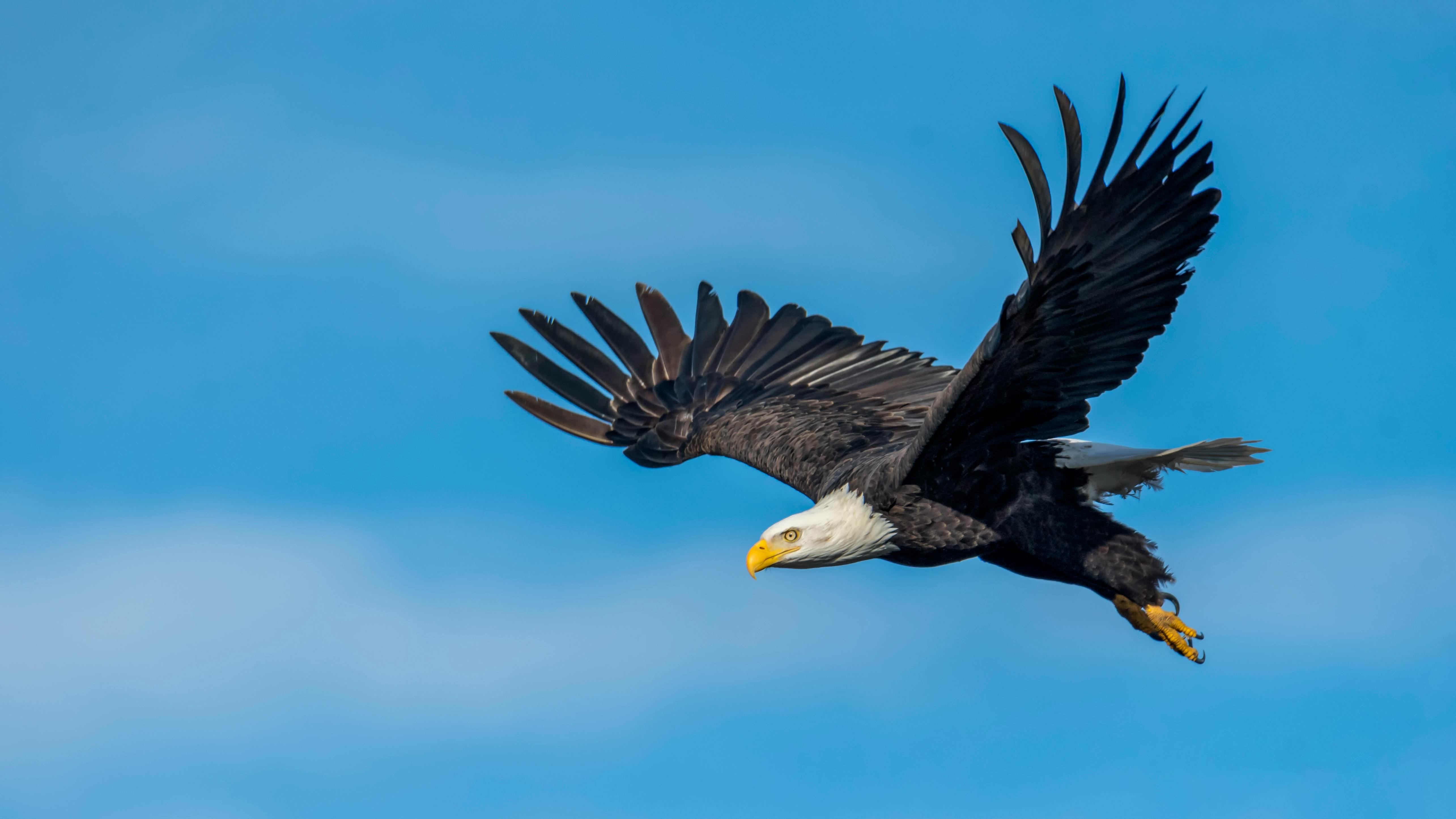
About the Philippine Eagle
The Philippine Eagle, also known as the "Monkey-Eating Eagle," is one of the rarest and most powerful birds in the world. Found only in the forests of the Philippines, this majestic raptor faces extreme threats from habitat destruction and hunting.
Scientific Classification
- Kingdom: Animalia
- Phylum: Chordata
- Class: Aves
- Order: Accipitriformes
- Family: Accipitridae
- Genus: Pithecophaga
- Species: Pithecophaga jefferyi
Habitat and Distribution
The Philippine Eagle is found in the lowland and montane forests of Luzon, Leyte, Samar, and Mindanao. It requires vast forested areas for hunting and nesting, making deforestation a major threat to its survival.
Threats to Survival
- Deforestation: Logging and land conversion destroy their habitat.
- Hunting: Illegal hunting for sport and trade remains a significant issue.
- Climate Change: Extreme weather conditions affect nesting sites and prey availability.
Conservation Efforts
Various organizations are working to protect the Philippine Eagle, including:
- Establishment of protected areas and breeding programs.
- Strict anti-poaching laws and wildlife protection campaigns.
- Community involvement in conservation efforts.
Fun Facts
- The Philippine Eagle has a wingspan of up to 7 feet (2.1 meters).
- It is one of the longest-living eagle species, with a lifespan of up to 60 years in captivity.
- Despite its name, it does not exclusively eat monkeys—it also preys on flying lemurs, snakes, and birds.
Join the Conservation Efforts
Help us protect the Philippine Eagle and other endangered species. Every effort counts!
Learn More