Axolotl
Endangered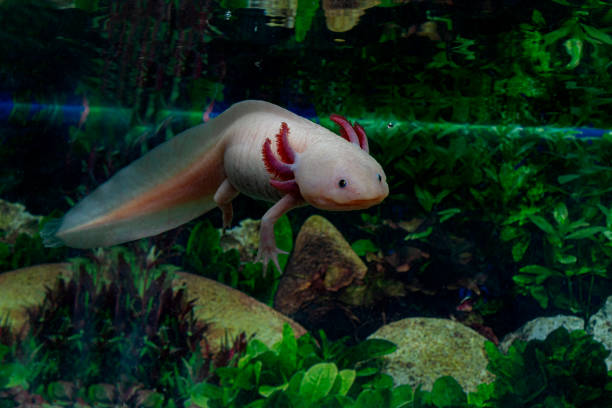
About the Axolotl
The Axolotl is a unique amphibian known for its ability to regenerate limbs and retain its juvenile features throughout life. Native to the lakes of central Mexico, the Axolotl is facing serious threats from habitat destruction, pollution, and invasive species.
Scientific Classification
- Kingdom: Animalia
- Phylum: Chordata
- Class: Amphibia
- Order: Urodela
- Family: Ambystomatidae
- Genus: Ambystoma
- Species: Ambystoma mexicanum
Habitat and Distribution
Axolotls are native to the lakes of Xochimilco, near Mexico City. Their natural habitat is freshwater lakes with cool, shallow waters, but these habitats are rapidly shrinking due to urbanization, pollution, and the introduction of non-native species.
Threats to Survival
- Habitat Destruction: Urbanization and agricultural development have reduced their natural habitat.
- Pollution: Water pollution from sewage and chemicals threatens their survival.
- Invasive Species: Fish and other predators introduced to their environment prey on Axolotls.
Conservation Efforts
Efforts to conserve Axolotls include:
- Protection of their natural habitat in Xochimilco.
- Breeding programs in captivity to ensure population sustainability.
- Awareness campaigns to reduce pollution and habitat destruction.
Fun Facts
- Axolotls can regenerate not just limbs, but also their spinal cord, heart, and parts of their brain!
- Unlike most amphibians, Axolotls do not undergo metamorphosis and remain aquatic throughout their life.
- They are sometimes referred to as “Mexican walking fish,” although they are amphibians, not fish.
Learn More About Endangered Species
Join us in protecting the Axolotl and other endangered species. Every action counts!
Learn More